Everyday logistics in Costa Rica are surprisingly modern once you learn the local systems: fiber-optic internet (100–500 Mbps) is widely available in towns like Playas del Coco and Escazú; nearly all domestic transfers and local vendor payments run instantly by phone number via SINPE Móvil; tap water from municipal AyA and ASADA systems is potable in major hubs; and residents combine weekly Saturday ferias with Auto Mercado and PriceSmart for groceries.
Moving from vacation mode into resident mode in Costa Rica isn't about dramatic life events—it is about mastering half a dozen everyday systems. Once you know how fiber internet, battery backups, Costa Rican banking, grocery shopping, and vehicle ownership work, daily life becomes remarkably smooth.
1. Fiber-Optic Internet, Mobile Data & Power Backup
Costa Rica has invested heavily in fiber-to-the-home (FTTH) infrastructure over the past five years. In Playas del Coco, Escazú, Santa Ana, Flamingo, and Tamarindo, residential condominiums and homes have direct access to 100 to 500 Mbps fiber internet from providers such as Telecable, Kolbi (ICE), Metrocom, and Liberty ($45–$75/month).
- The Uninterruptible Power Supply (UPS) Secret: In tropical coastal towns, strong afternoon thunderstorms or salt-air transformer maintenance can cause brief 2-to-15-minute power blinks. Because fiber-optic lines remain live even when neighborhood electricity blinks, plugging your fiber modem and Wi-Fi router into a $75 APC battery backup (UPS) keeps your laptop and Zoom calls online without interruption.
- Mobile Coverage (4G/5G): Kolbi, Liberty, and Claro offer prepaid and postpaid eSIMs ($20–$38/month) that work seamlessly as a mobile hotspot backup.
2. Banking, Paying Bills & SINPE Móvil
While foreign Visa, Mastercard, and Apple Pay/Google Pay tap-to-pay are accepted almost everywhere—from Auto Mercado and highway toll booths to neighborhood coffee shops and sodas—long-term residents and property owners benefit from understanding how local payments work:
- Opening a Local Account: With a passport and proof of income/address, non-residents can open a simplified single-currency/dual-currency account (Cuenta de Expediente Simplificado, with a $1,000–$2,000 monthly deposit cap) at banks like Banco Nacional or BAC Credomatic, while residents with a DIMEX card or owners of a Costa Rican corporation with active business/property holdings can open full USD and CRC accounts.
- SINPE Móvil: Created by the Central Bank of Costa Rica, SINPE Móvil is the country's universal instant peer-to-peer payment network. Linked to your Costa Rican bank account and local mobile number, it lets you send colones instantly by text or banking app to pay everyone from the Saturday farmers' market vendor to your electrician or pool technician with zero fees.
- Paying Utilities & HOA: Electricity (Coopeguanacaste / CNFL), water (AyA / ASADA), internet, and municipal taxes are each assigned a unique contract number (NIS or número de localización) that you can pay in two clicks inside any banking app or at any supermarket cashier.
3. Cars, Golf Carts & Getting Around
In Costa Rica, imported vehicles carry significant import duties (ranging from ~52% on newer vehicles up to 79% on older cars, though fully electric vehicles enjoy major tax exemptions under Law 9518). As a result, used SUVs hold high resale values.
- Buying a Car: Every vehicle purchase in Costa Rica is a formal title transfer recorded in the National Registry (Registro Nacional) by a Costa Rican notary public (Notario Público), who verifies there are no traffic liens (gravámenes) or unpaid Marchamo taxes.
- The Playas del Coco Golf-Cart Lifestyle: In compact, flat coastal towns like Playas del Coco, many seasonal condo owners skip owning a full-time car altogether—using a 25-minute private shuttle from LIR airport, walking or riding a street-legal golf cart to the beach and supermarkets, and renting an SUV only on weekends when they want to explore Arenal or Rincón de la Vieja.
| Daily Logistics Area | Local System / Provider | Practical Pro Tip for Residents |
|---|---|---|
| Home Internet | Telecable, Kolbi, Metrocom, Liberty (100–500 Mbps Fiber) | Put your fiber modem & router on a $75 UPS battery backup |
| Groceries | Saturday Feria + Super Luperón + Auto Mercado + PriceSmart | Buy fruit, veggies, eggs & cheese at the feria; use PriceSmart (Liberia/Escazú) for bulk |
| Tap Water | AyA / Community ASADA municipal water | Potable in Playas del Coco & Escazú; condos with reserve tanks keep pressure steady |
| Navigation | Waze (preferred over Google Maps) | Costa Rica lacks street-number addresses; everyone navigates via Waze pins |
Joshua ten Brink has spent more than two decades living, photographing, and developing residential communities in Costa Rica. Through WildPhotography.com he documents Costa Rica's wildlife, coastlines, cloud forests, and everyday life across Guanacaste, the Central Valley, Arenal, Monteverde, and the Southern Pacific.
Common Questions About Daily Life Logistics in Costa Rica
Is the tap water safe to drink in Playas del Coco and Escazú?
Yes. Both Playas del Coco and Escazú/Santa Ana are served by treated, tested municipal water systems (AyA and regulated community ASADAs). In Guanacaste, the volcanic groundwater has a naturally high mineral/calcium content, so many residents use a simple under-sink carbon or reverse-osmosis filter for taste and coffee makers.
Why does everyone in Costa Rica use Waze instead of street addresses?
Outside a few downtown grids, Costa Rica historically uses landmark-based directions ('200 meters north of the Catholic church') rather than house numbers. Waze has the most accurate real-time road conditions, bridge alerts, and business pins nationwide.
Is there a Costco-style warehouse store near Playas del Coco and Escazú?
Yes—PriceSmart operates full membership warehouse clubs across Costa Rica, including locations in Escazú, Santa Ana, and Liberia (just 25 minutes from Playas del Coco), stocking US and local bulk groceries, appliances, linens, and tires.
Bookable Tours & Excursions Mentioned in This Guide
Explore verified small-group and private excursions in this region via Viator and GetYourGuide.

Playas del Coco Catamaran Snorkeling & Sunset Sailing Excursion
Snorkeling gear, guided reef snorkel in a sheltered Culebra Bay cove, freshly prepared BBQ chicken meal, tropical fruit, open bar, and Pacific sunset sail.
Departure: Main beach in front of Bar El Ancla under the Big Tree, Playas del Coco (check-in 1:15 PM)

Rainforest Sloth Sanctuary, Coffee, Cacao & Llanos de Cortés Waterfall
ICT-certified naturalist guide with spotting scope, private rainforest trail for wild two- and three-toed sloths, hands-on coffee & cacao roasting tasting, Llanos de Cortés waterfall swim, and traditional Costa Rican casado lunch.
Departure: 7:30 AM hotel or condo pickup in Playas del Coco, Playa Hermosa, Ocotal, Papagayo, or Liberia
Related Costa Rica Guides

What It Really Costs to Live Well in Costa Rica: Realistic Monthly Budgets
Costa Rica is neither a rock-bottom bargain nor uniformly expensive. Your monthly spending depends almost entirely on three choices: where you live, how much air conditioning you run, and how you shop for food.

Renting First in Costa Rica: How to Test-Drive a Town Before You Buy
Even when you are confident you want to own a home in Costa Rica, spending one to three months living like a resident—shopping at the supermarket, driving in the rain, and testing the internet—makes you a far smarter buyer.
Playas del Coco Complete Guide: Beaches, Boating, Dining & Easy Coastal Living
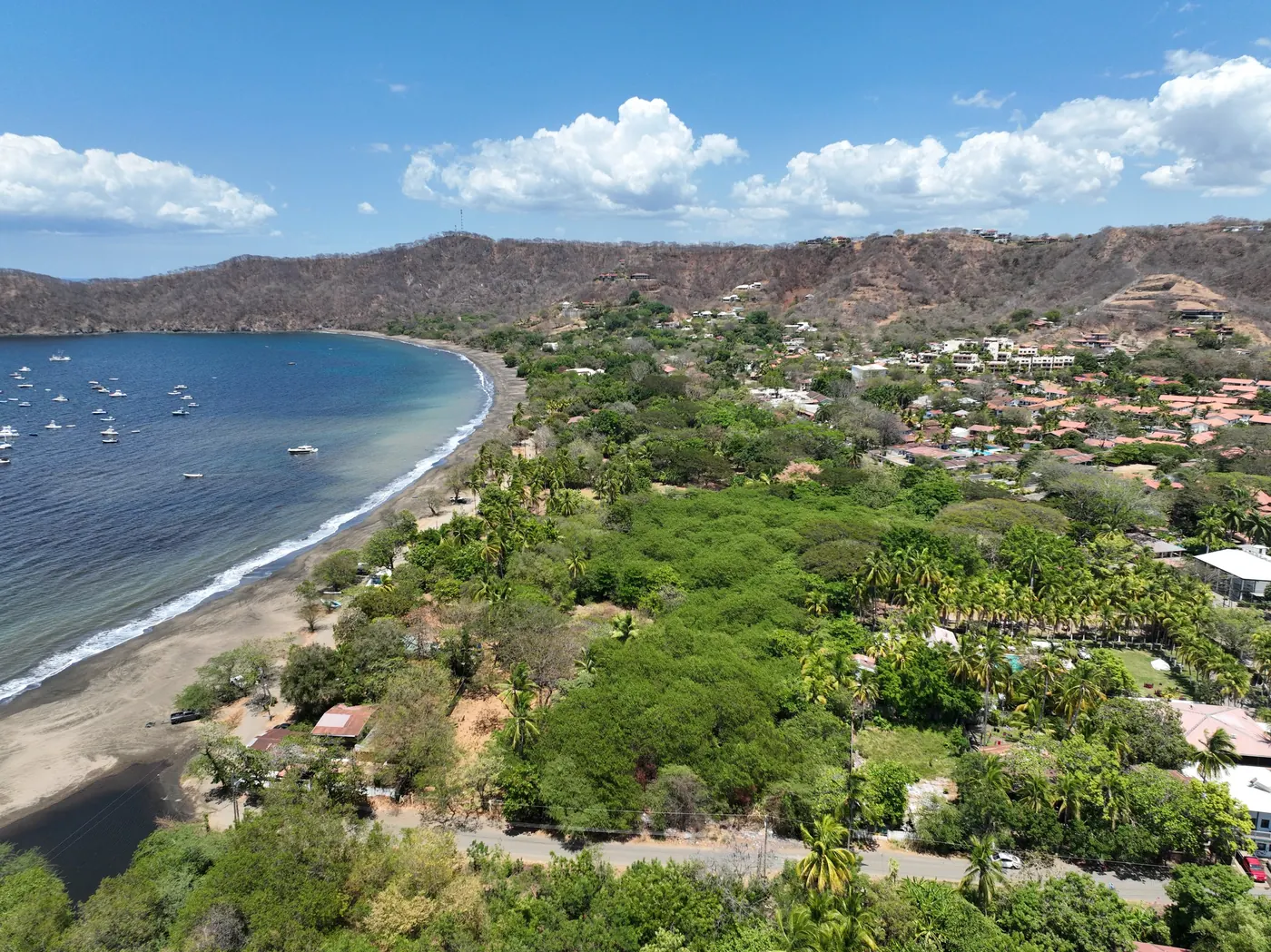
Just 25 minutes from Guanacaste International Airport (LIR), Playas del Coco pairs a sheltered 3-kilometer bay with the strongest everyday infrastructure on Costa Rica's north Pacific coast.
What "Pura Vida" Really Means in Everyday Costa Rican Life
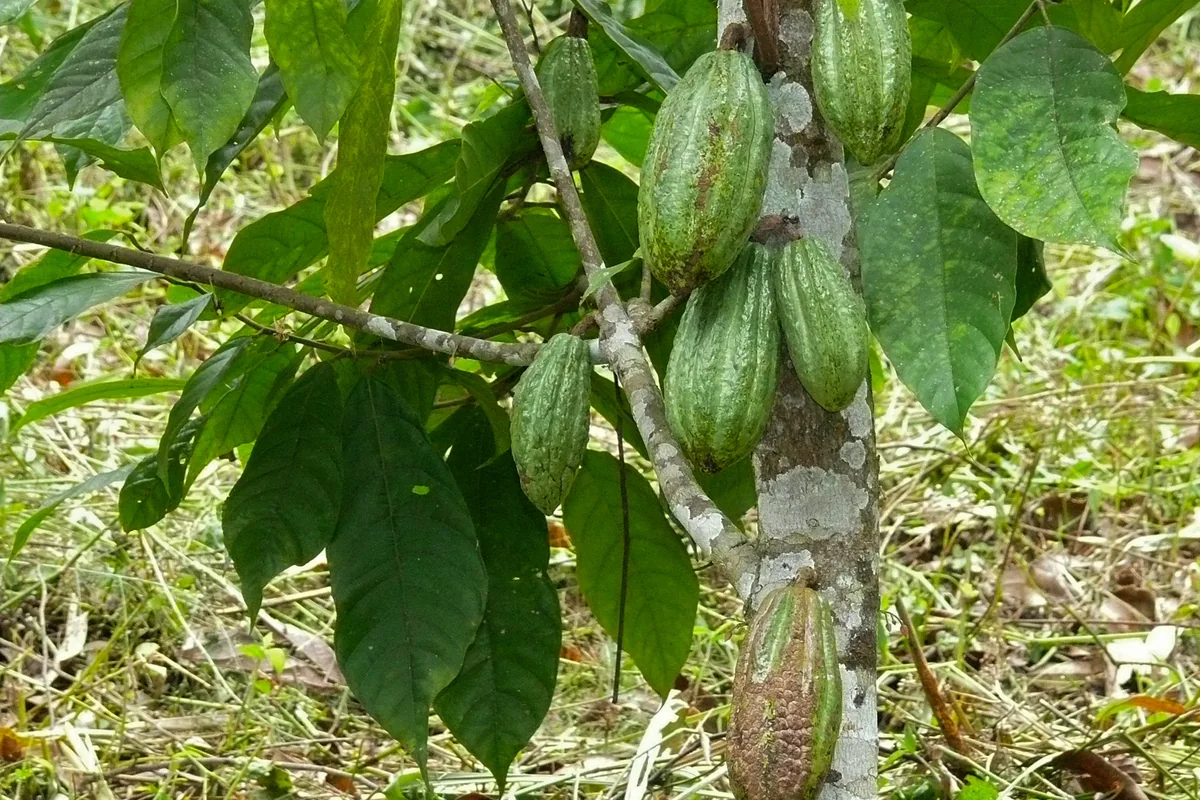
Spend forty-eight hours in Costa Rica and you will hear 'Pura Vida' a dozen times. Live here for a decade and you realize it isn't a tourism slogan at all—it is a social contract.