In Costa Rica, 'Pura Vida' (literally 'pure life') is both an everyday linguistic Swiss Army knife—used to say hello, thank you, you're welcome, and everything is good—and a deeper cultural philosophy rooted in gratitude, social harmony (quedar bien), family connection, and refusing to let minor daily frictions ruin relationships.
Before you even reach the baggage carousel at Liberia or San José airport, you will see the words Pura Vida printed on coffee bags, billboards, and souvenir hats. It would be easy to assume an advertising agency invented the phrase in the 1990s. In fact, Costa Ricans adopted the expression in 1956 after a warmhearted Mexican comedy film titled ¡Pura vida! (starring Antonio Espino "Clavillazo") played in San José cinemas. In the film, the protagonist uses the phrase to stay optimistic even when everything goes sideways. Within a generation, Costa Ricans had made the phrase the national shorthand for their entire outlook on life.
1. How Costa Ricans Actually Use "Pura Vida" Every Day
Listen carefully at a Saturday feria in Santa Ana or along the boardwalk in Playas del Coco, and you will notice that Pura Vida shifts meaning depending on tone and context:
- As a Greeting or Farewell: "¡Buenas! ¿Cómo va todo?" — "¡Pura vida!" ("How's everything going?" — "All good!")
- As "Thank You" or "You're Welcome": When a driver pauses to let you merge onto Route 21 or a baker hands you a warm baguette, a nod and "Pura vida, muchas gracias" is the warmest response.
- As an Expression of Resilience: When a sudden October downpour cancels a beach barbecue or a line at the bank moves slowly, saying "Pura vida" isn't apathy—it is a conscious choice not to waste anger on things nobody can control.
2. The Deeper Cultural Foundations Behind the Phrase
Why did a simple two-word phrase take root so deeply in Costa Rica? Because it matched three centuries of civic history:
- Abolishing the Military in 1948: When José Figueres Ferrer took a sledgehammer to the Bellavista Fortress wall on December 1, 1948, and redirected defense spending into universal public schooling, universities, and the CCSS healthcare system, Costa Rica chose civic stability over militarism.
- The Etiquette of Politeness (Educación & Quedar Bien): In Costa Rican culture, raising your voice in public, berating a bank teller, or aggressively demanding to speak to a manager is considered deeply bad manners (mal educado). Newcomers quickly discover that a warm "Buenos días, ¿cómo amaneció?" ("Good morning, how did you wake up today?") and five minutes of patient conversation open doors that impatience locks shut.
- La Hora Tica & Presence Over Urgency: If a neighbor invites you over for coffee at 3:00 PM and arrives at 3:25 PM, nobody is offended; conversely, if you run into a friend at Auto Mercado, stopping to ask about their family matters more than rushing to the next errand.
| Everyday Situation | High-Stress Reaction (What Fails in Costa Rica) | The "Pura Vida" Approach (What Works) |
|---|---|---|
| Entering a Shop, Bank, or Clinic | Launching straight into a demand without greeting | Always start with "Buenos días / Buenas tardes" and a smile |
| Scheduling a Contractor or Repair | Expecting a down-to-the-minute window without follow-up | Confirm gently on WhatsApp the morning of the visit; build a long-term relationship |
| Afternoon Green-Season Rainstorm | Complaining that outdoor plans were interrupted | Plan beach/boating for sunny mornings; enjoy coffee on a covered terrace at 4 PM |
3. How Adjusting to the Pace Changes You
Almost every person who moves to Costa Rica goes through a three-month decompression period. In month one, you still check your watch in the checkout line. By month three, you know the cashier's name, you schedule your errands for 8:00 AM after a sunrise beach walk, and you realize your blood pressure has dropped ten points. That shift—from living by the stopwatch to living by the daylight—is what people actually mean when they say they came for a visit and discovered a way of life.
Joshua ten Brink has spent more than two decades living, photographing, and developing residential communities in Costa Rica. Through WildPhotography.com he documents Costa Rica's wildlife, coastlines, cloud forests, and everyday life across Guanacaste, the Central Valley, Arenal, Monteverde, and the Southern Pacific.
Common Questions About What "Pura Vida" Really Means in Everyday Costa Rican Life
Can foreigners say 'Pura Vida' without sounding like a tourist?
Absolutely—Costa Ricans love when visitors and residents use 'Pura vida' naturally as a warm response to '¿Cómo está?' ('How are you?') or 'Muchas gracias' ('Thank you').
Why do Costa Ricans call themselves 'Ticos' and 'Ticas'?
In Costa Rican Spanish, speakers affectionately add the diminutive suffix '-ico' or '-itico' to words (for example, saying 'momentico' instead of 'momentito' for 'just a little moment'). Neighboring countries began calling Costa Ricans 'Ticos' and 'Ticas,' a nickname locals wear with pride.
What is the single best piece of cultural etiquette for newcomers?
Always greet every person—from the security guard at the gate and the fruit vendor at the feria to your attorney—with 'Buenos días' or 'Buenas tardes' before asking a question, and keep communication patient and warm on WhatsApp.
Bookable Tours & Excursions Mentioned in This Guide
Explore verified small-group and private excursions in this region via Viator and GetYourGuide.
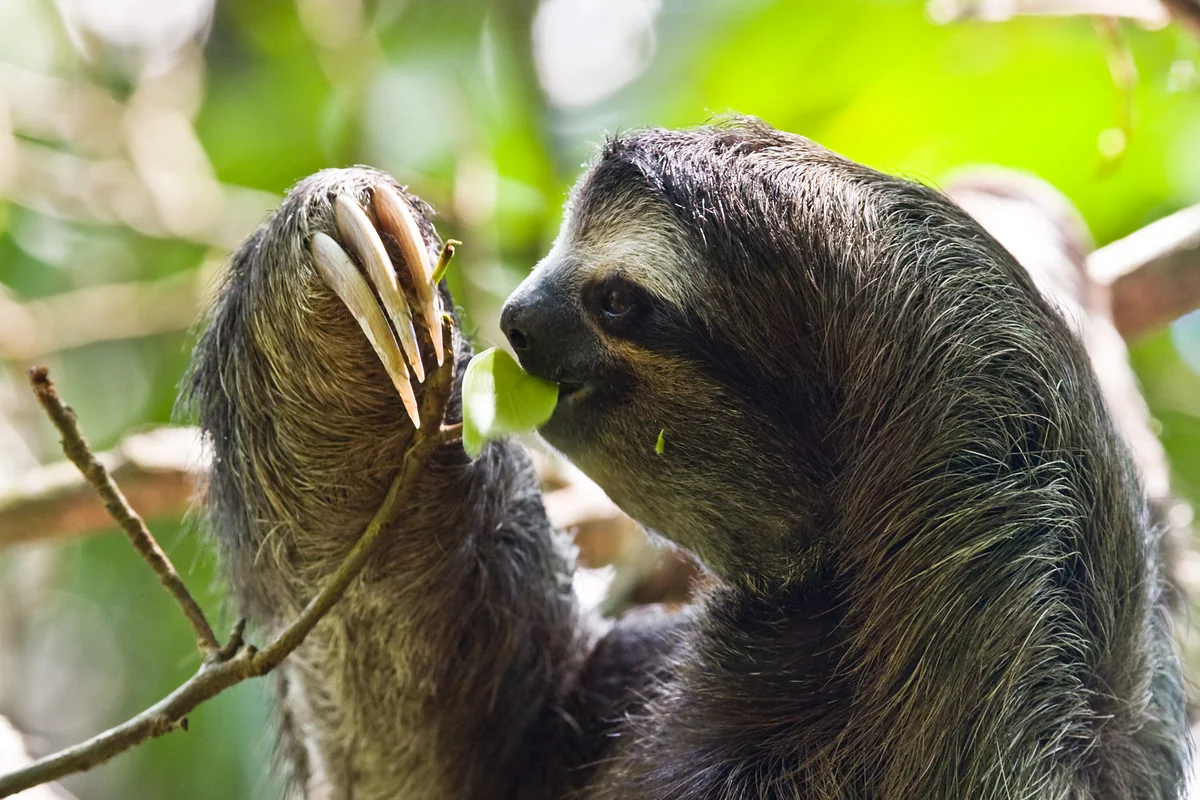
Rainforest Sloth Sanctuary, Coffee, Cacao & Llanos de Cortés Waterfall
ICT-certified naturalist guide with spotting scope, private rainforest trail for wild two- and three-toed sloths, hands-on coffee & cacao roasting tasting, Llanos de Cortés waterfall swim, and traditional Costa Rican casado lunch.
Departure: 7:30 AM hotel or condo pickup in Playas del Coco, Playa Hermosa, Ocotal, Papagayo, or Liberia
Central Valley Highlands: Poás Volcano Crater, Doka Coffee Estate & La Paz Waterfalls
Timed entry to Poás Volcano National Park crater overlook, guided Arabica coffee harvest and roasting tour at Doka Estate, buffet lunch, and La Paz Waterfall Gardens wildlife sanctuary & trails.
Departure: 6:30–7:15 AM pickup from Escazú, Santa Ana, Rohrmoser, and downtown San José hotels
Related Costa Rica Guides
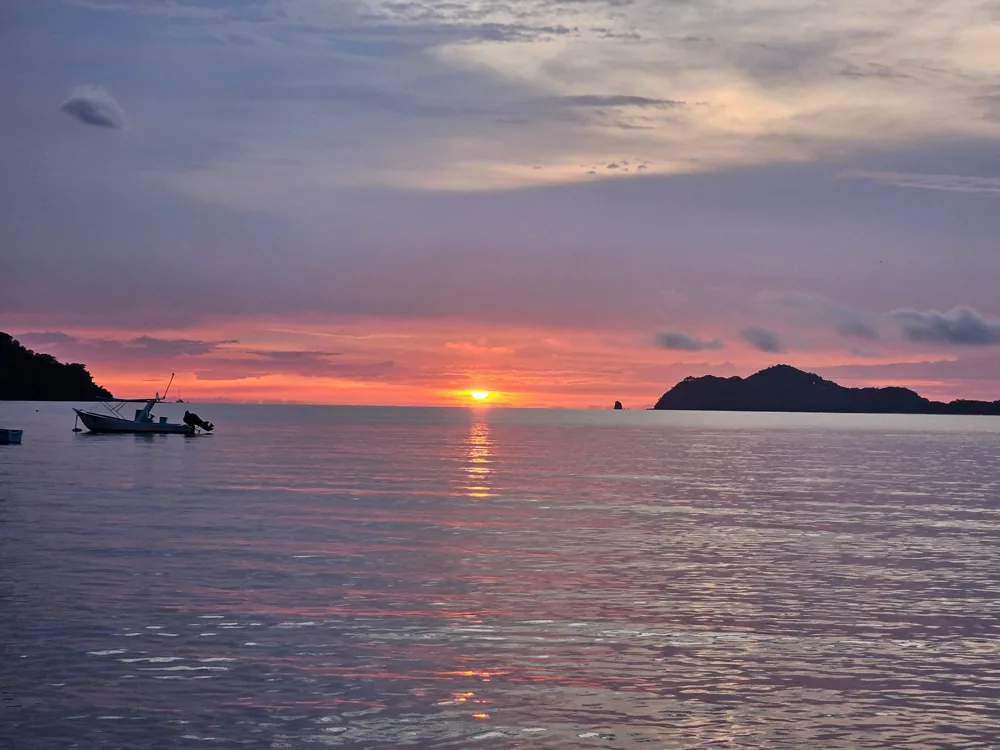
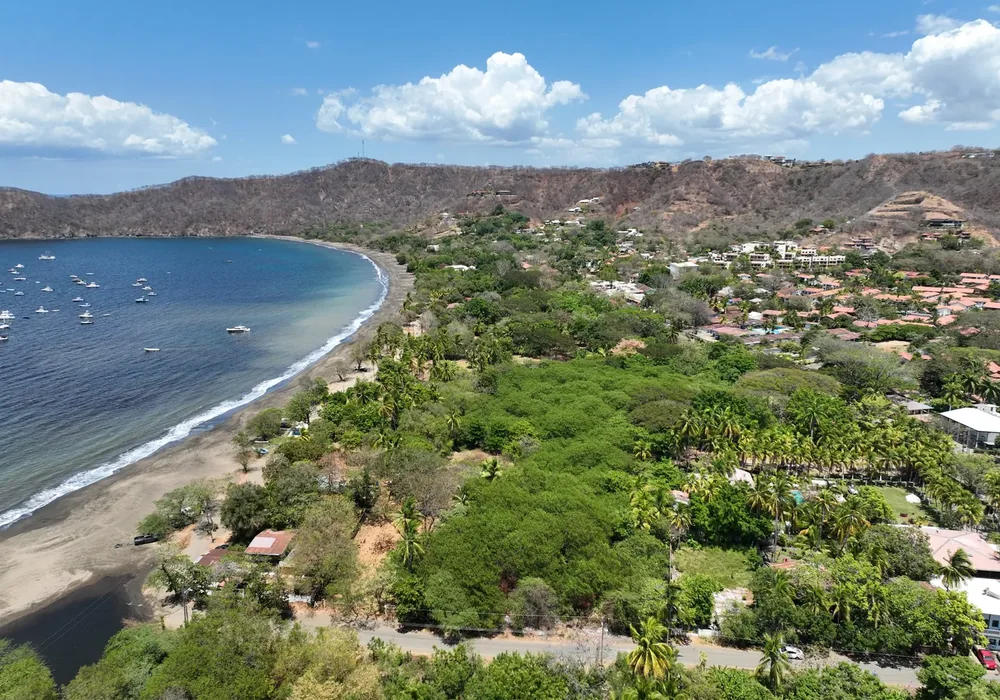
A Week in Playas del Coco: The Real Daily Rhythm Beyond the Vacation Postcard
Vacation brochures only show Saturday afternoon on a catamaran. If you want to know whether you would love living or owning a home base in Playas del Coco, look at what Tuesday morning at 6:15 AM feels like.
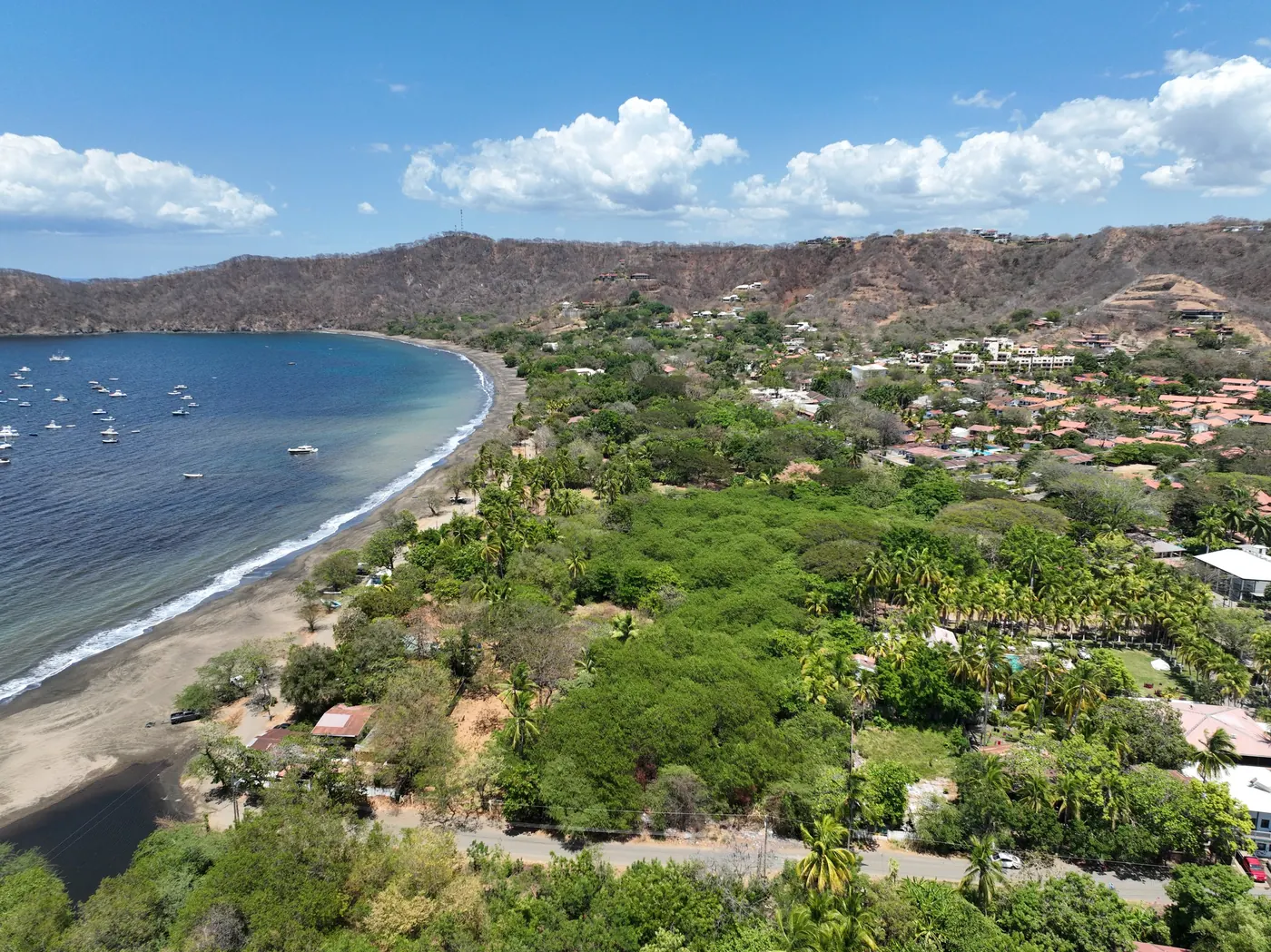
The First-Timer's Guide to Costa Rica: Which Region Fits Your Style?
On a map, Costa Rica looks tiny—just 51,100 square kilometers. On the ground, volcanic cordilleras and microclimates create four distinct worlds. Here is how to match your first trip (or scouting visit) to the right region.
Daily Life Logistics in Costa Rica: Internet, Banking, Groceries, and Getting Around
How do you pay the gardener, keep your Zoom calls online during a tropical thunderstorm, buy a car, and shop for groceries? Here is the practical playbook for everyday life in Costa Rica.

Renting First in Costa Rica: How to Test-Drive a Town Before You Buy
Even when you are confident you want to own a home in Costa Rica, spending one to three months living like a resident—shopping at the supermarket, driving in the rain, and testing the internet—makes you a far smarter buyer.