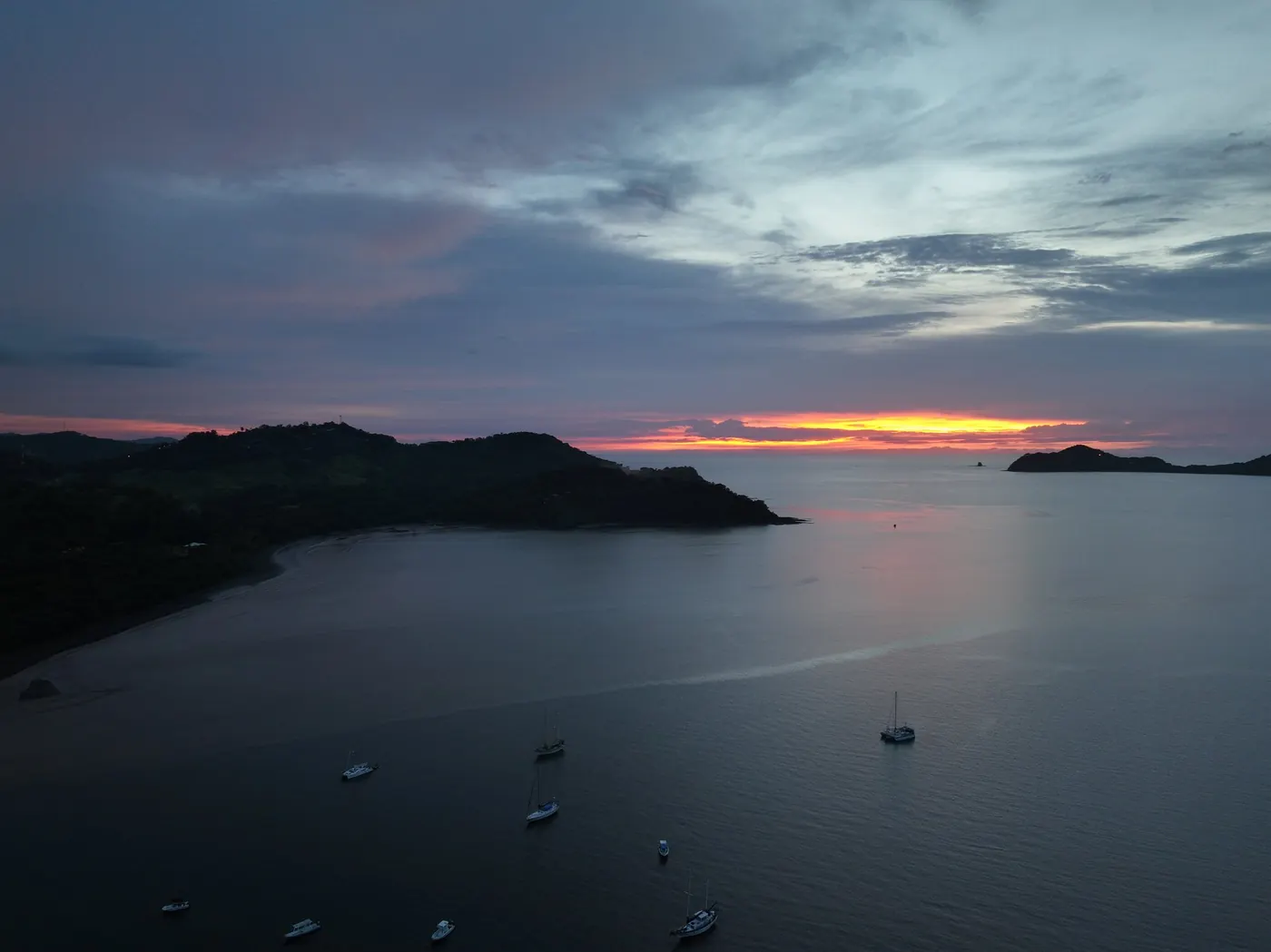
In 2026, a couple renting a modern 2-bedroom condo in Playas del Coco or Escazú typically spends $2,900 to $4,400 USD per month (roughly ₡1.5M to ₡2.28M CRC at ~₡520/$1) for a comfortable lifestyle including rent, utilities, fiber internet, groceries, dining out, and healthcare. Couples who own their home mortgage-free (paying only HOA fees, property taxes of 0.25%, and utilities) typically live very comfortably on $1,850 to $2,750 USD per month.
Few topics in Costa Rica generate more conflicting internet claims than the cost of living. On one hand, you will read outdated blog posts promising a beachfront retirement on $1,400 a month; on the other, you will hear from vacationers who shopped exclusively for imported U.S. snacks at beach gourmet markets and concluded that Costa Rica costs as much as California.
The reality in 2026 sits squarely between those two extremes. Costa Rica has the highest standard of living, cleanest municipal water, and strongest healthcare and telecom infrastructure in Central America—and those systems carry real costs. At the same time, property taxes are just 0.25% per year, fresh tropical produce and domestic staples are inexpensive, and homeowner insurance and medical care cost a fraction of North American rates.
1. The Three Levers That Control Your Monthly Budget
When we compare household budgets across northern Guanacaste (Playas del Coco, Flamingo, Tamarindo) and the Central Valley (Escazú, Santa Ana), three variables explain 80% of the difference between a $2,600/month household and a $5,000/month household:
- Renting vs. Owning Mortgage-Free: Long-term (12-month lease) rent for a well-maintained 2-bedroom condominium in Playas del Coco or Escazú runs $1,350 to $2,500/month. If you purchase a condominium outright (such as a residence in Serena Condos starting from the $320's), your monthly housing outlay drops to HOA dues ($220–$380/month) plus quarterly municipal property tax (~$65–$90/month equivalent).
- Coastal Air Conditioning vs. Highland Breezes: Electricity in Costa Rica (supplied by Coopeguanacaste in Playas del Coco or CNFL/ICE in the Central Valley) is billed on a progressive residential tariff. Running split-inverter A/C units in bedrooms overnight in Guanacaste typically results in a $110 to $180/month electric bill; running A/C 24/7 across an unshaded house can push electricity to $300–$450/month. In Escazú at 1,200 meters elevation, most households use zero A/C and pay $45 to $90/month.
- Feria & Local Supermarket vs. All-Imported Groceries: Imported cereal, specialty cheeses, and California wines carry 15% to 45% import duties plus 13% IVA sales tax. Households that buy produce at the Saturday feria del agricultor, shop Super Luperón or MasxMenos for staples, and use Auto Mercado selectively spend roughly 40% less on food than households replicating a 100% imported North American pantry.
2. Side-by-Side 2026 Monthly Budget Scenarios (USD & CRC)
The table below reflects verified October 2026 monthly costs (using an illustrative exchange reference of ₡520 CRC = $1.00 USD) across three realistic resident profiles:
| Monthly Expense Category | Solo Remote Worker / Retiree (Renting 1–2BR) | Couple Renting 2–3BR Condo (Coco or Escazú) | Couple Owning 3BR Condo Mortgage-Free |
|---|---|---|---|
| Long-Term Rent OR HOA + Property Tax | $1,150–$1,550 (Rent) | $1,500–$2,400 (Rent) | $310–$460 (HOA + 0.25% Tax) |
| Electricity (Inverter A/C Mindful Use) | $65–$130 | $90–$220 | $110–$230 |
| Water, Trash & Cooking Gas | $25–$40 | $35–$55 | $35–$55 |
| Fiber Internet (100–300 Mbps) + 2 Mobile Lines | $65–$85 | $85–$110 | $85–$110 |
| Groceries & Household Supplies (Feria + Auto Mercado) | $420–$580 | $680–$950 | $680–$950 |
| Dining Out, Coffee & Social Activities | $250–$400 | $380–$650 | $420–$700 |
| Transportation (Fuel, Marchamo & Maintenance) | $140–$220 | $200–$320 | $200–$320 |
| Healthcare (CCSS Caja + Private Clinic/INS Plan) | $110–$210 | $210–$420 | $210–$420 |
| Estimated Monthly Total (USD) | $2,225 – $3,215 / mo | $3,180 – $5,125 / mo | $2,050 – $3,245 / mo |
| Approximate Equivalent in Colones (CRC) | ₡1.16M – ₡1.67M | ₡1.65M – ₡2.66M | ₡1.07M – ₡1.69M |
3. Annual & One-Time Ownership Costs to Remember
Beyond monthly cash flow, factor in two annual Costa Rican obligations:
- Municipal Property Tax (Impuesto de Bienes Inmuebles): Fixed nationwide at 0.25% of the registered municipal value per year (for example, $800/year on a $320,000 registered value). Note that high-value luxury properties exceeding the Luxury Home Tax threshold (~₡145 million CRC in construction value) pay an additional graduated solidarity tax of 0.25% to 0.55%.
- Vehicle Marchamo & Dekra Inspection: Paid every November/December, the annual road circulation permit (Marchamo) ranges from $180/year on an older compact SUV to $650–$1,100+/year on a late-model 4x4.
Joshua ten Brink has spent more than two decades living, photographing, and developing residential communities in Costa Rica. Through WildPhotography.com he documents Costa Rica's wildlife, coastlines, cloud forests, and everyday life across Guanacaste, the Central Valley, Arenal, Monteverde, and the Southern Pacific.
Common Questions About What It Really Costs to Live Well in Costa Rica
Do I pay rent and buy homes in US Dollars or Costa Rican Colones?
Real estate purchases, long-term rentals in coastal and Central Valley expat hubs, and HOA dues are almost universally priced in US Dollars (USD), while utility bills, supermarket groceries, fuel, taxes, and CCSS healthcare contributions are billed in Costa Rican Colones (CRC).
Why do some people have $400 electric bills on the beach while others pay $130?
Costa Rica uses tiered electricity rates where higher kilowatt-hour consumption moves you into a significantly higher per-kWh bracket. Modern condos with insulated roofs, shaded terraces, ceiling fans, and high-SEER inverter mini-split A/C units used mainly in bedrooms at night keep coastal bills around $110–$180/month.
How much is sales tax and restaurant tipping in Costa Rica?
Goods and services carry a 13% Value Added Tax (IVA). In restaurants, menus are required by law to include or clearly itemize both the 13% IVA and a mandatory 10% service charge (servicio) that goes to staff—meaning a 23% total addition is already built into the check.
Bookable Tours & Excursions Mentioned in This Guide
Explore verified small-group and private excursions in this region via Viator and GetYourGuide.
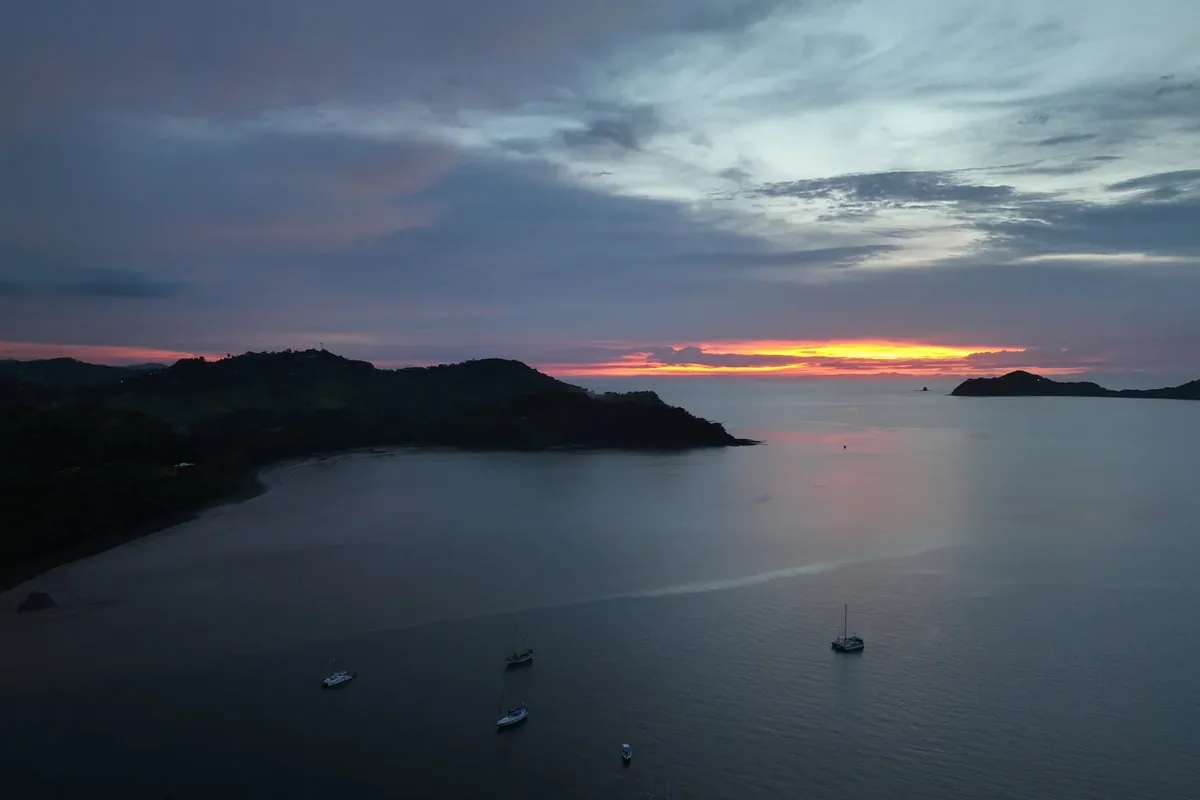
Playas del Coco Catamaran Snorkeling & Sunset Sailing Excursion
Snorkeling gear, guided reef snorkel in a sheltered Culebra Bay cove, freshly prepared BBQ chicken meal, tropical fruit, open bar, and Pacific sunset sail.
Departure: Main beach in front of Bar El Ancla under the Big Tree, Playas del Coco (check-in 1:15 PM)
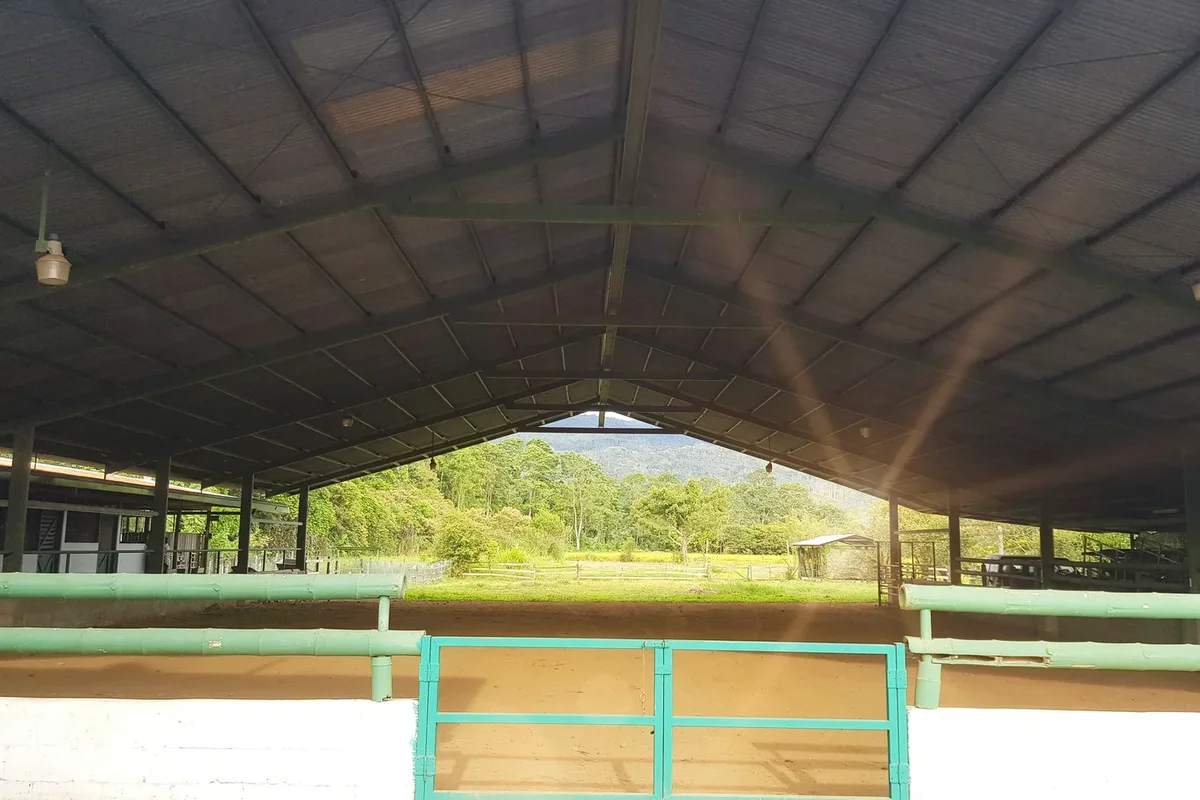
Central Valley Highlands: Poás Volcano Crater, Doka Coffee Estate & La Paz Waterfalls
Timed entry to Poás Volcano National Park crater overlook, guided Arabica coffee harvest and roasting tour at Doka Estate, buffet lunch, and La Paz Waterfall Gardens wildlife sanctuary & trails.
Departure: 6:30–7:15 AM pickup from Escazú, Santa Ana, Rohrmoser, and downtown San José hotels
Related Costa Rica Guides
Healthcare in Costa Rica: How Public (Caja) and Private Care Actually Work
Costa Rica's life expectancy consistently rivals or exceeds North America's, powered by two parallel medical systems that almost every long-term resident uses in tandem.

Renting First in Costa Rica: How to Test-Drive a Town Before You Buy
Even when you are confident you want to own a home in Costa Rica, spending one to three months living like a resident—shopping at the supermarket, driving in the rain, and testing the internet—makes you a far smarter buyer.
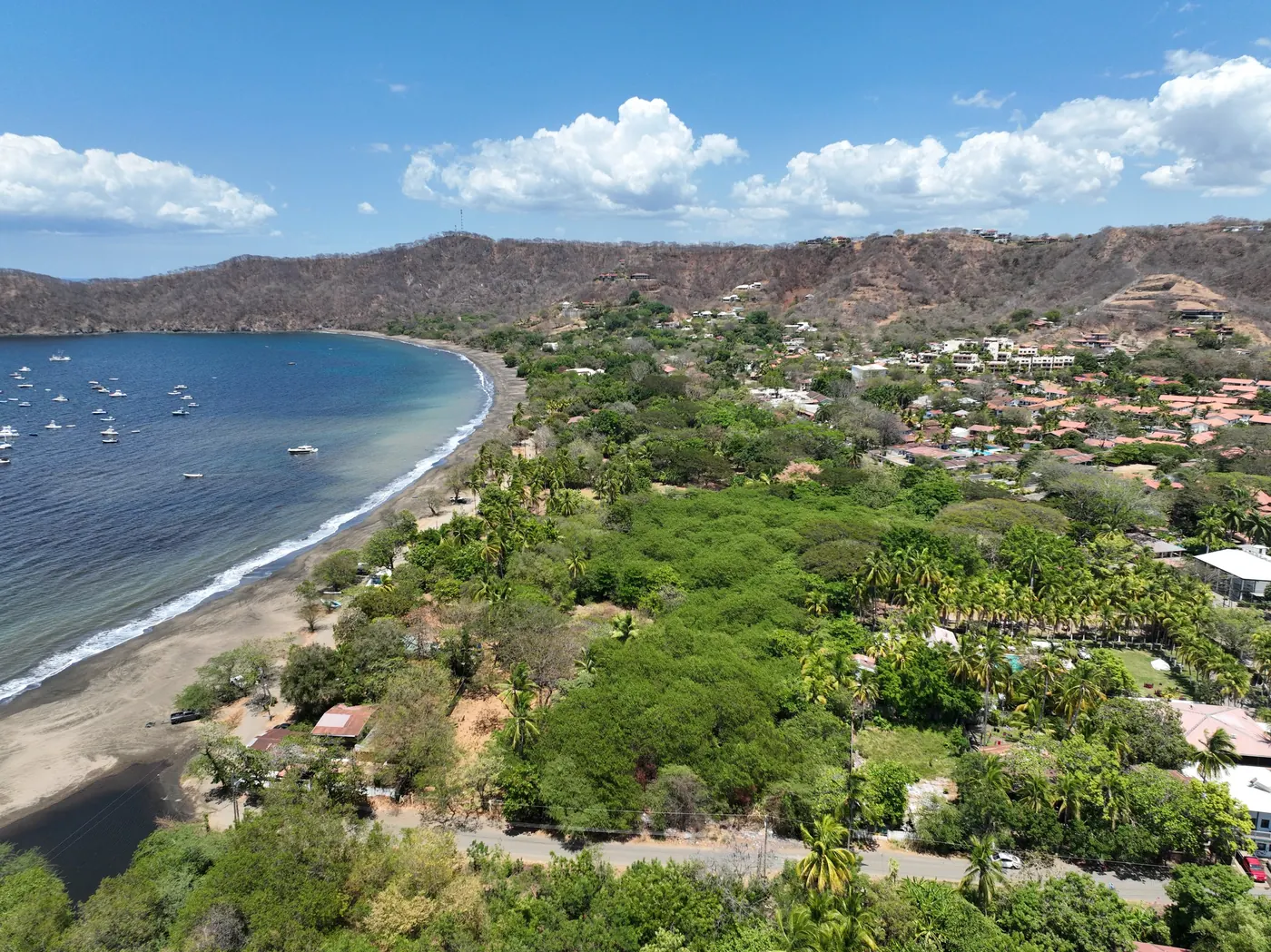
Daily Life Logistics in Costa Rica: Internet, Banking, Groceries, and Getting Around
How do you pay the gardener, keep your Zoom calls online during a tropical thunderstorm, buy a car, and shop for groceries? Here is the practical playbook for everyday life in Costa Rica.
Guanacaste vs. the Central Valley: Coastline or Mountain Spring Climate?
Choosing between a sun-drenched Pacific bay in Guanacaste and the 24°C mountain air of Escazú and Santa Ana is the single biggest decision for long-stay visitors and future residents.