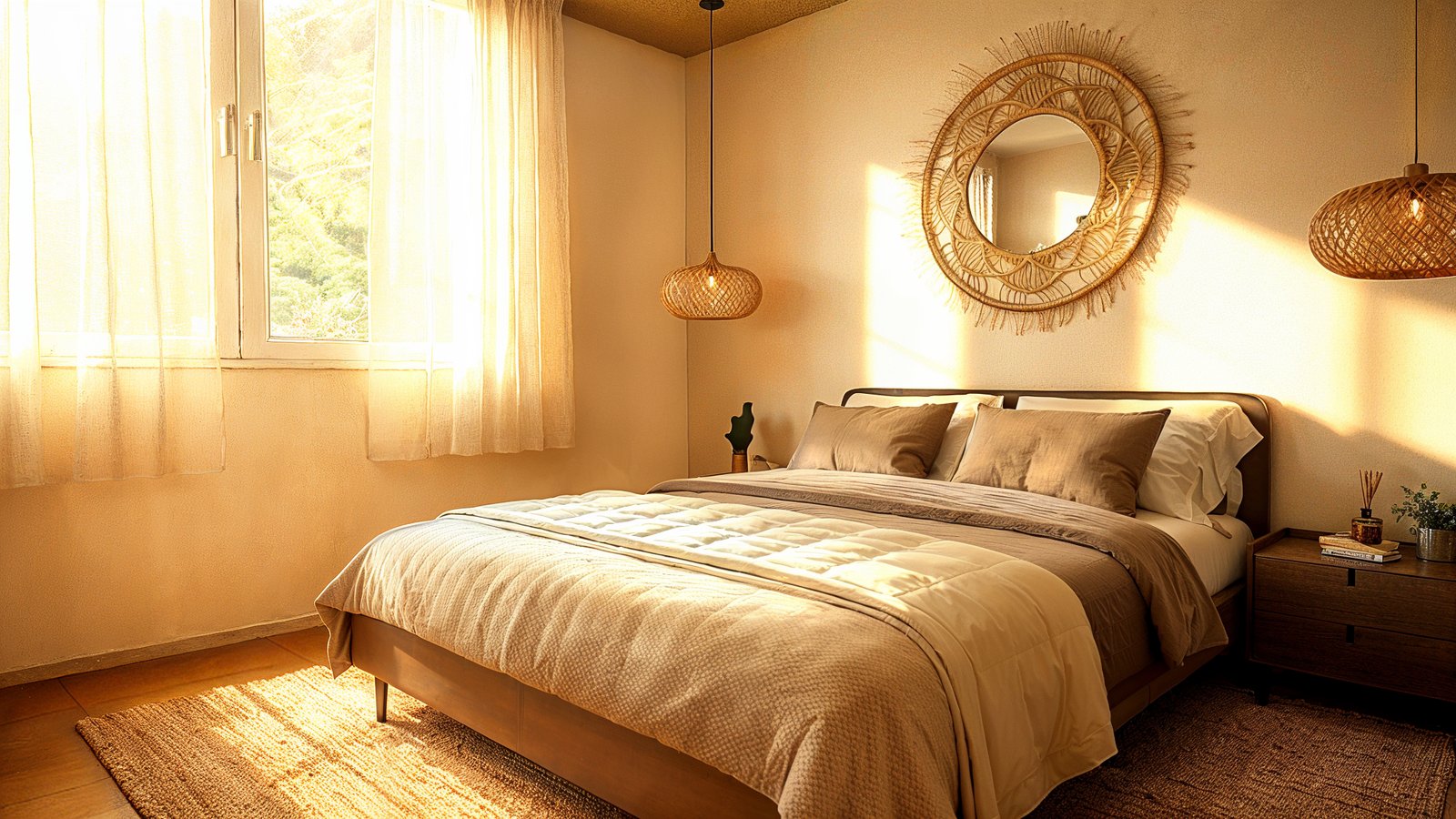
Choose a titled condominium (under Costa Rica Law No. 7933) if you want true lock-and-leave convenience, shared 24/7 gated security, professional pool and garden maintenance, elevator access, and predictable monthly expenses while traveling. Choose a single-family home (ideally inside a gated residential condominium community) if you live in Costa Rica full-time and prioritize a private yard, custom architectural expansion, or space for multiple large dogs.
In North America or Europe, many buyers default to a standalone single-family house because they are accustomed to temperate climates where a house can sit unattended for two months with little more than a smart thermostat. In Costa Rica, the tropical environment changes that equation completely.
Between warm coastal air, vibrant bougainvillea and palms that grow several feet a month during the green season, and Costa Rica's strict labor laws for domestic employees, owning a standalone house outside a managed community means running a small facility operation. Here is an honest look at how a beach or valley condominium compares with a single-family home.
1. Security & Lock-and-Leave Peace of Mind
If you plan to split your year between Costa Rica and your home country—spending three to six months in Guanacaste or the Central Valley and traveling the rest of the year—security when the property is vacant is paramount.
- In a Condominium (such as Serena Condos in Playas del Coco): Gated perimeter access, exterior lighting, common-area cameras, and on-site administration are funded collectively by all owners. When you fly out of LIR, you simply turn off your water valve, set your dehumidifier/A/C timer, and lock the front door.
- In a Standalone Non-Gated House: Leaving a standalone house completely unoccupied for four months is strongly discouraged unless you hire a trusted live-in caretaker (cuidador) or pay for dedicated security monitoring and weekly property inspections. Note that under the Costa Rican Labor Code, employing a full-time caretaker or gardener directly makes you an employer responsible for CCSS social charges (~26.5%), an annual 13th-month Christmas bonus (aguinaldo), paid vacation, and severance reserves (cesantía).
2. True Monthly Carrying Costs: HOA Fees vs. Standalone Upkeep
Some first-time buyers balk at a $250 to $400 monthly condominium HOA fee, assuming a standalone house has "no HOA fee." When you add up what the HOA actually replaces, a condominium is almost always more cost-effective:
| Monthly Expense Item | 3-Bedroom Condominium (Shared HOA) | Standalone Single-Family House (With Pool & Yard) |
|---|---|---|
| Pool Cleaning, Chemicals & Pump Service | Included in HOA fee | $140 – $220 / mo (private pool tech + chemicals) |
| Tropical Landscaping & Green-Season Pruning | Included in HOA fee | $120 – $250 / mo (contracted gardener) |
| 24/7 Perimeter Security & Gate Control | Included in HOA fee | $60 – $150 / mo (alarm response + cameras; or $900+ caretaker) |
| Exterior Roof, Facade, Elevator & Common Insurance | Included in HOA fee + reserve fund | 100% owner responsibility ($150–$300/mo annualized) |
| Typical Monthly Fixed Maintenance Outlay | $240 – $420 / mo (1 predictable payment) | $470 – $920+ / mo (4–5 separate vendors) |
3. The Middle Ground: Gated Horizontal Lot Communities
What if you want to design and build a custom single-family residence with a private garden, but you still want 24/7 gated security, subterranean utilities, and shared clubhouse amenities under Condominium Law No. 7933? That is the exact role of horizontal residential condominiums (condominios de lotes)—such as Condominio Vistara in San Antonio de Escazú, developed by Casa Favorita, or gated single-family communities represented by Realty Costa Rica.
Joshua ten Brink has spent more than two decades living, photographing, and developing residential communities in Costa Rica. Through WildPhotography.com he documents Costa Rica's wildlife, coastlines, cloud forests, and everyday life across Guanacaste, the Central Valley, Arenal, Monteverde, and the Southern Pacific.
Common Questions About Beach Condo vs. Single-Family Home in Costa Rica
Why do spacious 3-bedroom condos bridge the gap between a condo and a house?
A 3-bedroom, 2.5- to 3.5-bath condominium (like the 1,345 to 1,862 sq ft layouts at Serena Condos in Playas del Coco, starting from the $320's) gives you the interior space of a single-family home—room for a primary suite, a guest bedroom, and a dedicated office—without having to manage your own pool, roof, or yard.
Can I bring a dog if I buy a condominium in Costa Rica?
Most residential condominiums in Playas del Coco and Escazú are pet-friendly for owners, though each community's recorded Reglamento de Condominio sets rules on leash use in common areas, weight/number limits, and whether short-term renters may bring pets.
Are condominiums easier to rent out when I am not in Costa Rica?
Generally yes, provided the condominium bylaws permit short- or medium-term rentals. Guests and snowbirds value gated security, a resort-style pool, elevator access, and walkable proximity to town amenities.
Related Costa Rica Guides
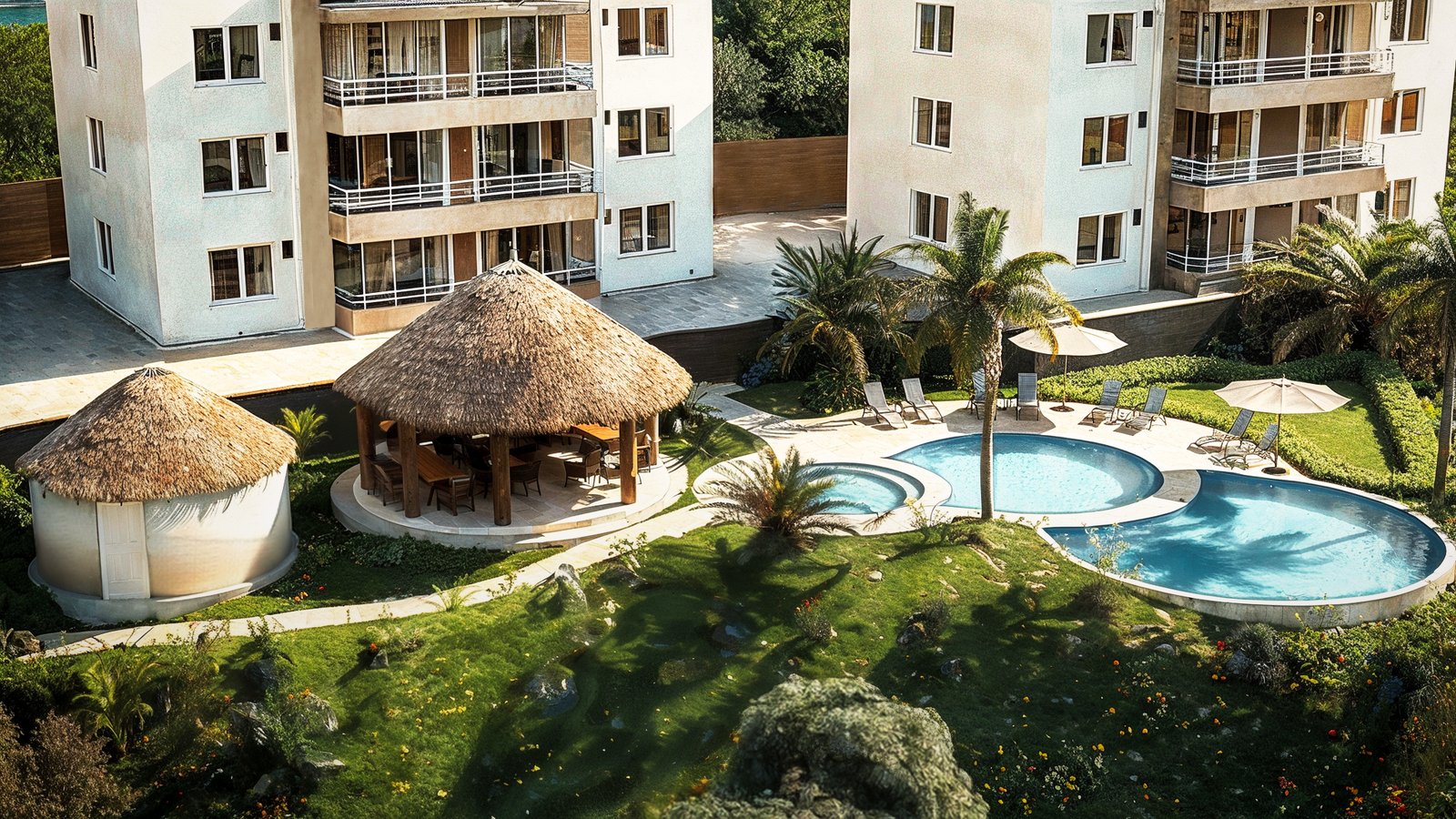
How Foreigners Buy Property in Costa Rica: Fee Simple, Maritime Zone, Concessions & Due Diligence
Under Article 19 of the Costa Rican Constitution, foreign buyers enjoy the exact same fee-simple ownership rights as citizens on titled land—provided you understand the National Registry, Maritime Zone boundaries, and independent legal due diligence.
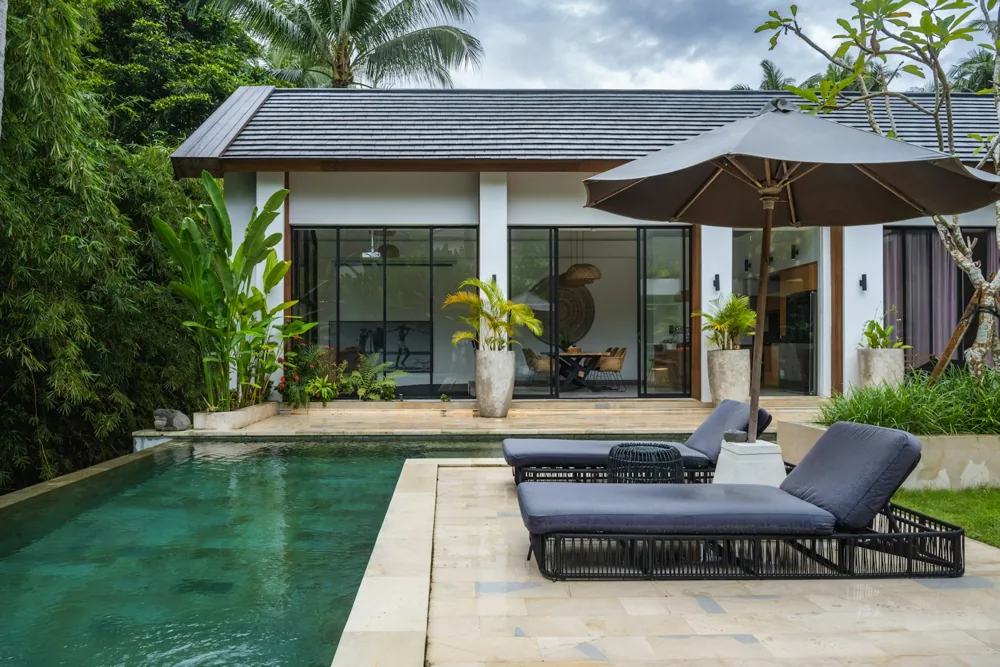
Why Playas del Coco Stands Out for Lock-and-Leave Condo Buyers
When condo buyers compare beach towns along Costa Rica's Pacific coast, Playas del Coco consistently wins on the fundamentals that determine long-term enjoyment: airport proximity, town infrastructure, and spacious residential value.
Serena Condos: Explore a Home Base in Playas del Coco
Spacious 3-bedroom residences starting from the $320's—thoughtfully designed around a tranquil garden courtyard, resort-style swimming pool, elevator access, and fitness center just 25 minutes from Guanacaste International Airport (LIR).
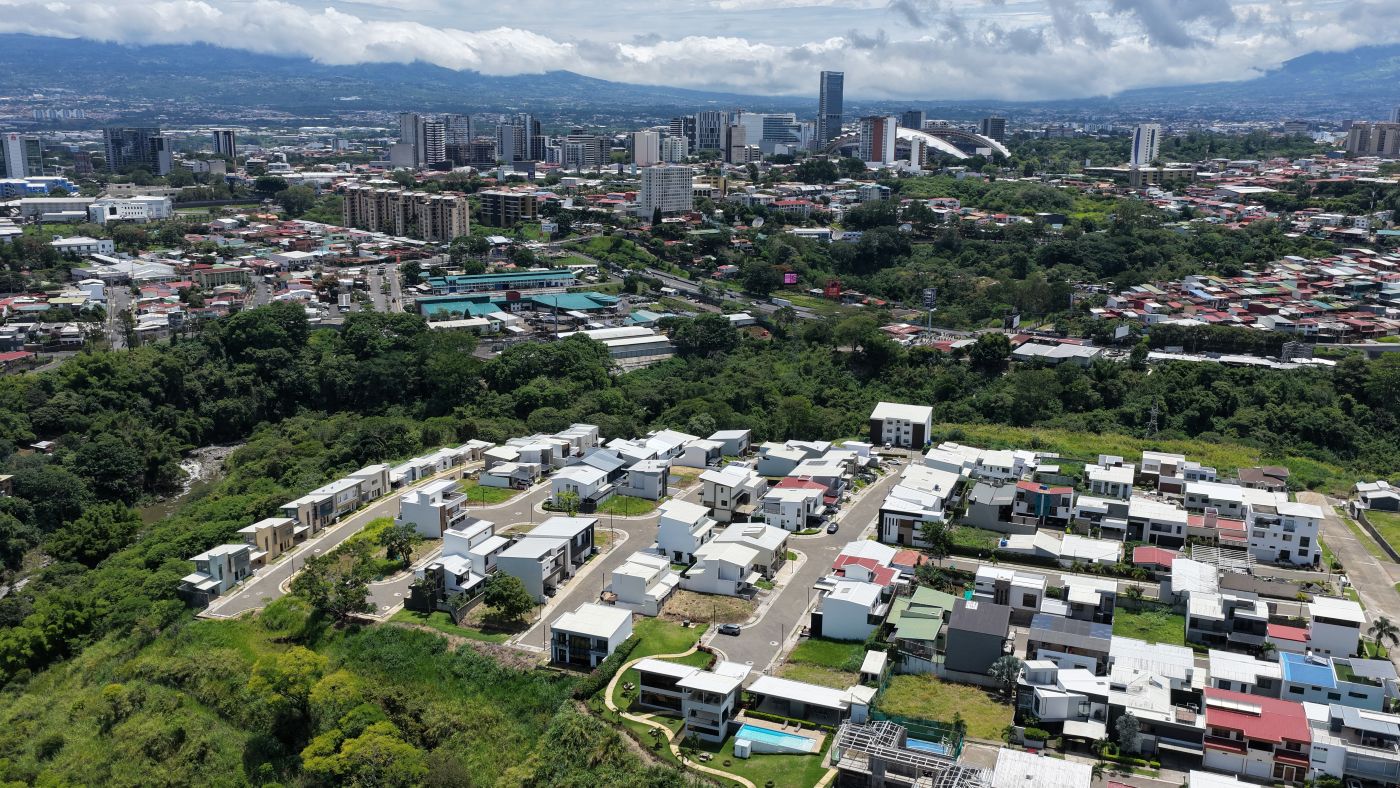
Escazú and Santa Ana Guide: Modern Conveniences, Climate, and Residential Options in the Central Valley
Twenty minutes west of San José along Route 27, the neighboring cantons of Escazú and Santa Ana pair a spring-like mountain climate with Costa Rica's premier hospitals, international schools, and gated residential communities.